In an era where the lines between sports and cultural discourse are increasingly blurred, the latest sports buzz illustrates how deeply interwoven these realms are. From the electrifying impact of social media to the pivotal roles of technology and analytics, this exploration delves into the multifaceted relationship between sports and society. As the industry evolves, so too do the conversations surrounding diversity, inclusion, and sustainability, reshaping the experiences of athletes and fans alike. This article aims to dissect these intersections, shedding light on the trends that define modern sports culture.
Understanding The Intersection of Sports and Culture
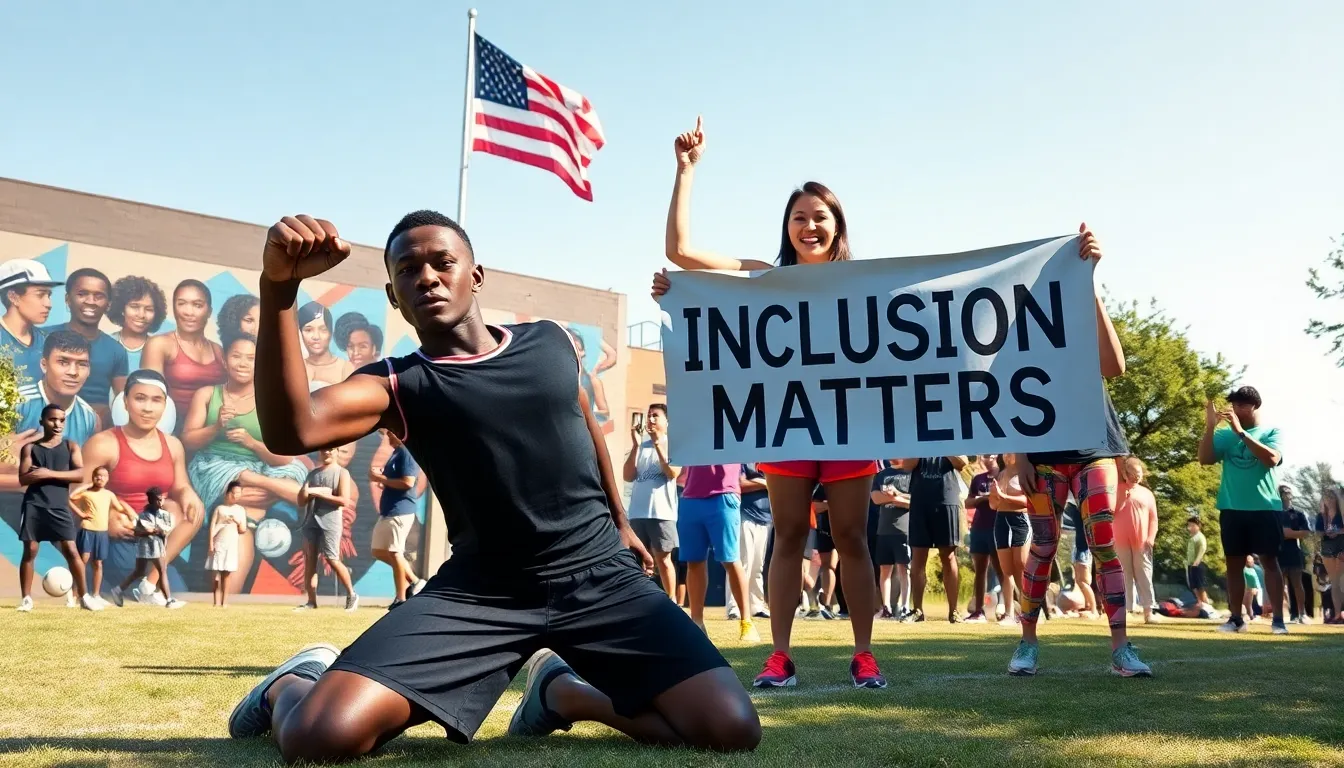
Sports have long been a reflection of societal values and cultural shifts. Events like the Olympics or the FIFA World Cup aren’t merely competitions: they serve as platforms where national pride, cultural identities, and global narratives converge. This intersection of sports and culture emphasizes how sporting events often mirror societal ideologies, inspiring movements while promoting inclusivity and social justice.
For instance, athletes such as Colin Kaepernick have utilized their platforms for activism, addressing racial inequality and police brutality. Such actions provoke discussions that extend beyond the confines of athletic performance, illustrating sports as a powerful medium for advocacy and change. The 2020 Tokyo Olympics further highlighted this theme, showcasing athletes from diverse backgrounds who shared stories of resilience and cultural pride, echoing the importance of representation in sports.
The Impact of Social Media on Sports Engagement
The rise of social media has revolutionized how fans engage with sports. Platforms like Twitter, Instagram, and TikTok not only allow for real-time updates but also foster direct interaction between athletes and fans. This shift in communication has transformed sports fandom into a more interactive experience, blurring the lines between audience and participant.
Social media serves as a powerful tool for engagement, providing fans with exclusive behind-the-scenes content, instant highlights, and a way to express their opinions directly to athletes. For instance, the NBA has been particularly adept at leveraging social media, using it to draw in younger audiences who seek authenticity and connection. Analytics show that engagement on these platforms correlates highly with ticket sales and merchandise purchases, reinforcing the business acumen behind effective social media strategies.
Emerging Trends in Sports Technology
Technology is reshaping the sports landscape in profound ways. From wearable fitness trackers to advanced video analysis, the integration of technology enhances performance, training, and fan experience. Wearable devices, like heart rate monitors and GPS trackers, provide athletes with invaluable data that can inform training regimens and recovery strategies.
Also, artificial intelligence (AI) and machine learning are increasingly employed to analyze player performance and predict outcomes. Teams use this data for strategic planning and talent acquisition, creating a competitive edge. For fans, augmented reality (AR) and virtual reality (VR) are changing how they consume sports, offering immersive experiences that bring them closer to the action, such as virtual stadium tours and interactive game simulations.
The Role of Analytics in Modern Sports
Analytics have become the backbone of decision-making in modern sports. The use of data analytics extends beyond player statistics: it encompasses everything from game strategy to injury prevention. Teams now rely on sophisticated data analytics to optimize player performance and enhance competitive advantage.
For instance, Major League Baseball (MLB) employs advanced analytics to analyze pitching mechanics and batting techniques, allowing coaches to tailor training approaches for individual players. This data-driven model extends to fan engagement, where insights about ticket sales and consumer behavior guide marketing strategies. The capacity to quantify virtually every aspect of the game eventually reshapes the way sports are played and appreciated.
Diversity and Inclusion in Sports: A Growing Conversation
In recent years, discussions surrounding diversity and inclusion within sports have gained momentum. The industry is beginning to recognize the importance of representing diverse voices, from players to leadership roles. Initiatives aimed at addressing gender disparities and advocating for LGBTQ+ rights are becoming more commonplace, cementing these conversations as essential within sports.
Organizations such as the Women’s Sports Foundation are championing the cause for women in sports, striving for equal representation not just among athletes but in coaching and administrative positions as well. Also, the inclusion of athletes from various backgrounds facilitates a broader understanding of the cultural dynamics at play, enhancing the relatability of sports to a diverse audience.
Sustainability in Sports: A New Frontier
As the world grapples with climate change, sustainability has emerged as a critical issue in the sports sector. Organizations and leagues are starting to recognize their environmental responsibility and are implementing green practices, from eco-friendly stadium designs to carbon offset initiatives for major events like the Olympic Games.
Stadiums are now incorporating renewable energy sources, efficient waste management systems, and sustainable materials to minimize their environmental impact. Fans are also taking part in sustainability initiatives, recycling programs and public transportation incentives encourage attendance while fostering a communal effort towards conserving the environment. This shift not only enhances the fan experience but also positions sports as a leader in environmental stewardship, setting a precedent for other industries.
Conclusion
As sports continue to evolve, the intersections with culture, technology, and social responsibility will drive new narratives that enrich the experience for athletes and fans alike. The influence of social media, the integration of advanced analytics, the ongoing dialogues surrounding diversity, and the commitment to sustainability are all shaping a new era in sports. Understanding these dynamics is crucial, what happens at the intersection of sports and society not only reflects our current realities but also influences the future trajectories of both arenas. Through this exploration, it becomes clear that the latest sports buzz is not just about games, scores, or championships: it encompasses a broader, more profound dialogue that connects communities, drives change, and inspires generations.