
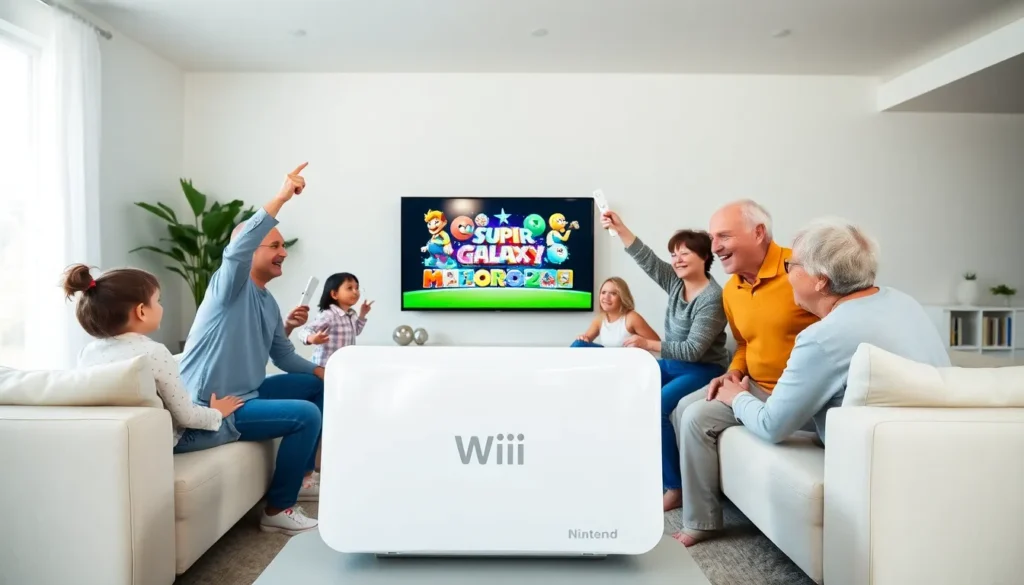
When the Nintendo Wii burst onto the gaming scene in 2006, it was like a breath of fresh air, not just for avid gamers but for anyone who had ever waved a controller in frustration. It promised a revolution in gaming, blurring the lines between fun and fitness, and it delivered with flying colors (and maybe a few accidental lighting strikes to the TV). If you’ve ever wanted to know how a simple remote could turn your living room into a battlefield or a bowling alley, you’re in for a treat. Let’s jump into the world of the Nintendo Wii and explore how it transformed gaming into an interactive experience like no other.
Overview of the Nintendo Wii
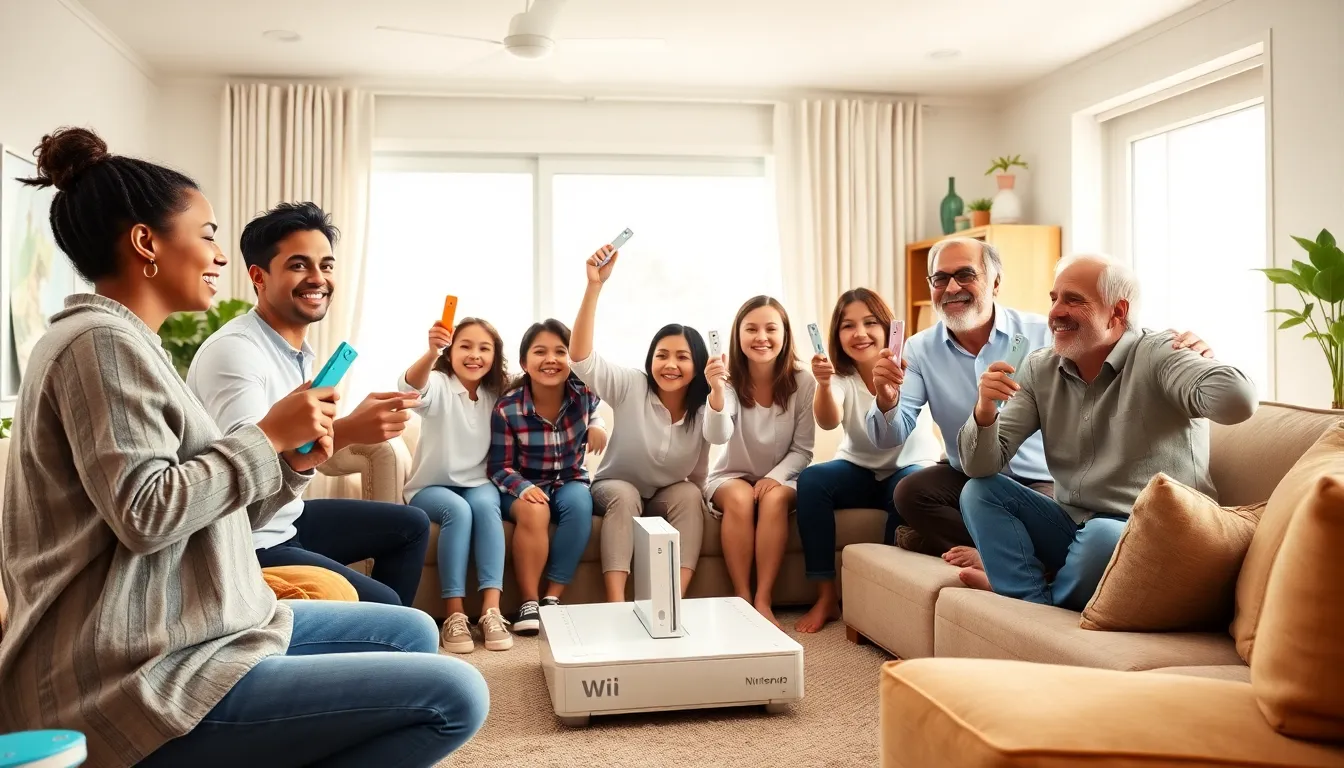
The Nintendo Wii revolutionized the gaming landscape with its unique approach to play. Unlike its competitors, the Wii leveraged motion-sensing technology to create an immersive experience practically everyone could enjoy. It wasn’t just about intense graphics or high-speed action: it was about fun, engagement, and accessibility. The sleek, white console became a staple in households, often used more for family gatherings than solo marathons.
In essence, the Wii catered to all ages, making it easier for children and grandparents alike to pick up a controller and join in on the fun. Plus, who could forget the iconic Mario and his gang returning in full force? From its launch, the Wii effectively connected players in a way that felt less like virtual competition and more like a social event. That’s right: it encouraged families to step into the world of gaming together, no more hiding in basements with headphones on.
It didn’t just sell units: it sold the idea that gaming could be for everyone. Given the rapid sales after launch, over 100 million units worldwide, the Wii wasn’t just another console: it was a cultural phenomenon.
The Impact of Motion Controls
Motion controls are where the magic really happened. The Wii Remote, affectionately nicknamed the ‘Wiimote,’ came equipped with gyroscopic sensors that allowed players to swing, toss, and dance their way through games. This interactive gameplay offered a physical connection that had never been fully realized before.
For instance, take Wii Sports, this title transformed friendly rivalries into a competitive fever dream, whether you were knocking down pins in bowling or attempting to box on your living room floor. It encouraged players to get up off the couch, engaging both the body and the mind. The simple act of swinging a controller made playing feel more authentic, almost like you were actually on the field or the court.
But the impact extended beyond individual enjoyment. Motion controls enhanced social bonding. Friends and family members would cheer each other on, reminisce about victories, and, occasionally, laugh at comical failings. Who didn’t feel a sense of accomplishment after a round of backyard tennis, even if it was merely a pixelated avatar on the screen? These moments solidified the Wii as more than just a gaming device, it became a connection catalyst.
Popular Nintendo Wii Games
Innovative Features of the Nintendo Wii
Among the impressive lineup of Nintendo Wii games, several titles stand out for their innovative features. The Legend of Zelda: Twilight Princess introduced players to an expansive open world, blending traditional gaming mechanics with a motion-controlled bow and arrow. It breathed new life into familiar gameplay tropes, inviting explorers to forge their paths through Hyrule.
Another hit, Super Mario Galaxy, utilized gravity-defying gameplay that turned levels into intricate three-dimensional puzzles. The ability to control Mario’s movements not just through standard buttons but also through motion controls showcased the platform’s unique capabilities.
Family-Friendly Gaming Experiences
Family-friendly titles also flourished on the Wii. Mario Kart Wii with its easy-to-pick-up racing mechanics forged new family rivalries. The game’s multiplayer mode turned living rooms into race tracks, making it suitable for players of all ages. Who knew racing mini-Marios would ignite such competitive spirit in a family game night?
Similarly, Just Dance introduced not only a rhythm-based challenge but also an energetic party atmosphere. Families could showcase their dance skills, proving that they’ve still got it (or perhaps discovering it for the first time). The Wii thrived on its ability to create experiences that transcended traditional gaming and encouraged togetherness.
The Role of the Wii in Fitness Gaming
Fitness and gaming? It sounds like a long shot, but the Nintendo Wii nailed it. Titles like Wii Fit changed the narrative surrounding gaming by infusing health and wellness into the experience. With balance boards and innovative exercises, players could test their yoga poses and aerobic skills in the comfort of their homes.
This concept of fitness gaming appealed especially to those who might shy away from traditional workouts. Suddenly, sweating while playing a game was not just acceptable, it was encouraged. The intuitive designs promoted healthier lifestyles while keeping the fun intact. It’s why people joked that just a few minutes of playing Wii Sports felt just as exhausting as a trip to the gym, but with a lot more cheering from your couch buddies.
As a result, the Wii became a staple for fitness enthusiasts and casual gamers alike. This groundbreaking approach showcased that gaming could help players break a sweat, fostering a culture that married health and entertainment.
Legacy and Influence on Future Consoles
The legacy of the Nintendo Wii is rich and multifaceted. It acted as a springboard for future gaming innovations, ushering in the era of motion-control technology that is now standard in the gaming industry.
Consoles like the PlayStation Move and Xbox Kinect owe a significant debt to the Wii’s vision of interactive gaming. They learned that catching a ball or throwing a punch could feel more immersive than ever before, heightening the level of player engagement. Nintendo’s idea of combining social experiences with gameplay opened the doors for a generation of consoles focusing on community and interaction.
Also, the Wii’s family-friendly approach forced competitors to rethink their strategies. While graphics and realism became selling points, the emphasis on fun and inclusivity reshaped industry standards. Gamers were no longer confined to traditional stereotypes: now, the gaming community was vast and varied, celebrating all types of players.